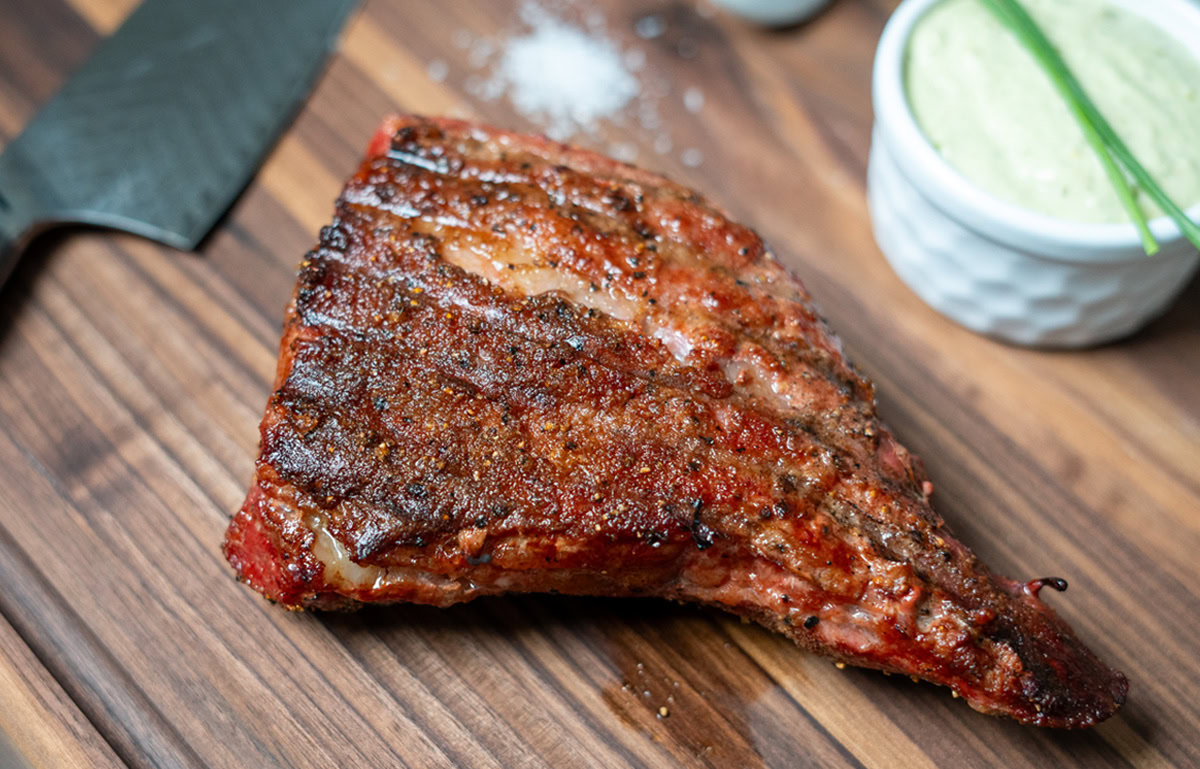
Imagine a centerpiece roast that not only commands attention with its vibrant, smoky crust and perfectly pink interior but also delivers melt-in-your-mouth tenderness with every bite. This isn't a dream; it's the reality of a perfectly executed smoked tri tip. Once a regional secret, this triangular cut of beef has rapidly gained national popularity, becoming a go-to for pitmasters and home cooks alike who crave a show-stopping meal that’s both impressive and surprisingly approachable.
The beauty of smoked tri tip lies in its unique balance of robust beef flavor and inherent tenderness, especially when treated to the magic of a smoker. It transforms from a simple cut into a culinary masterpiece, ideal for everything from casual backyard barbecues and lively game-day parties to an elevated weeknight dinner. Forget dry, overcooked roasts; a properly smoked tri tip promises a juicy, incredibly flavorful experience that will have your guests asking for your secret.
What Makes Smoked Tri Tip So Special?
The tri tip, also known as the "triangle roast" or "bottom sirloin primal cut," originates from the lower portion of the sirloin. Its distinct triangular shape and excellent marbling contribute to its rich, beefy flavor and desirable texture. Unlike some larger, tougher roasts, the tri tip boasts a fine grain that, when cooked correctly, results in exceptional tenderness.
Historically, the tri tip gained significant traction in California, particularly for Santa Maria-style barbecue. Its growing availability across the United States is a testament to its versatility and deliciousness. While you might find untrimmed tri tips weighing up to 5 pounds with a significant fat cap and silver skin, most butchers sell them trimmed to a more manageable 2-3 pounds, ready for seasoning and smoking. This makes it an incredibly convenient option for home cooks.
What truly elevates the tri tip is the smoking process. Cooking it low and slow infuses the meat with a deep, aromatic smoky flavor that penetrates beyond the surface. This method also gently breaks down the connective tissues, ensuring a supremely tender result. Add a final, high-heat sear, and you get an irresistible exterior crust that locks in all the juices and adds another layer of texture and flavor – a truly unbeatable combination.
Mastering the Art of Smoked Tri Tip: The Essential Steps
Crafting the perfect smoked tri tip involves a deliberate, three-stage approach: meticulous seasoning, patient low-and-slow smoking, and a powerful, high-heat sear. Each step plays a crucial role in achieving that sought-after juicy, tender, and intensely smoky roast. Skipping any one of them would be like baking a cake without the leavening – you just won't get the desired outcome. For a comprehensive dive into each phase, you can refer to our detailed guide: Smoked Tri Tip: Master the 3 Steps for Juicy Perfection.
Step 1: The Perfect Seasoning Foundation
Before any smoke touches the meat, a solid seasoning layer is paramount. While some grill masters love complex rubs, the inherent flavor of tri tip truly shines with a simpler approach. A generous coating of coarse kosher salt, freshly ground black pepper, and garlic powder is an excellent starting point. This classic combination forms a savory crust that enhances the beef's natural taste without overpowering it.
However, don't hesitate to experiment! A good quality beef seasoning or your favorite BBQ rub can add another dimension of flavor. Consider rubs with paprika for color, onion powder for depth, or a touch of cayenne for a subtle kick. Liberally apply your chosen seasoning to all sides of the tri tip, pressing it gently to ensure it adheres well. For best results, allow the seasoned tri tip to rest in the refrigerator for at least an hour, or even overnight, to let the flavors meld and the salt begin its work of tenderizing the meat.
Step 2: Low and Slow Smoking for Tenderness
This is where the magic of "smoked" truly comes into play. The goal here is to cook the tri tip gently at a consistent low temperature, typically around 225°F (107°C). Maintaining this temperature is crucial for an even cook from edge to edge and to prevent the exterior from drying out before the interior reaches doneness. Any type of smoker – pellet, offset, or kamado – can be used, as long as it can hold a steady temperature.
During this phase, the tri tip slowly absorbs the beautiful smoke flavor, becoming incredibly tender and juicy. The lower temperature allows the intramuscular fats and connective tissues to render gradually, creating that coveted melt-in-your-mouth texture. Always use a reliable Achieve Perfect Smoked Tri Tip: Low and Slow with a Fiery Finish by monitoring the internal temperature with a probe thermometer. You'll want to pull the tri tip off the smoker when it reaches about 5-10 degrees below your target final temperature. For medium-rare, this means pulling it around 125-130°F (52-54°C).
Step 3: The Fiery Finish: Searing for Flavor and Texture
While low-and-slow smoking delivers incredible tenderness and smoky depth, the high-heat sear is what truly elevates smoked tri tip to legendary status. This quick blast of intense heat, often called the "reverse sear," accomplishes two vital tasks: it creates a stunning, caramelized crust through the Maillard reaction, and it locks in all those precious juices.
Once your tri tip comes off the smoker, immediately transfer it to a preheated grill or cast-iron pan set to high heat – think 450-500°F (232-260°C). Sear each side for just 2-3 minutes, or until you achieve that beautiful, dark brown crust. Be quick; the goal is to develop flavor and texture without overcooking the interior. This rapid sear will push the internal temperature up to your final desired doneness, ensuring a perfect finish.
The Crucial Rest: Don't Skip It!
After the sear, resist the urge to slice into your perfectly cooked tri tip immediately. This resting period is perhaps the most overlooked, yet critical, step. Transfer the tri tip to a cutting board, tent it loosely with foil, and let it rest for at least 10-15 minutes. This allows the muscle fibers, which tightened during cooking, to relax and reabsorb the juices that have migrated to the center. Slicing too soon will result in those precious juices running out onto your board, leaving you with a drier roast.
Tips for Achieving Smoked Tri Tip Perfection
- Monitor Internal Temperature: An accurate leave-in probe thermometer is your best friend. It takes the guesswork out of cooking and ensures you pull the meat at precisely the right moment.
- Wood Selection: For smoked tri tip, milder woods like oak, cherry, apple, or pecan work beautifully, imparting a balanced smoky flavor that complements the beef without overpowering it.
- Understanding Grain Direction: Tri tip has two distinct grain patterns that run in different directions. For optimal tenderness, it's crucial to identify these and slice against the grain for each section. This breaks up the muscle fibers, making every bite more tender.
- Doneness Levels:
- Rare: 125-130°F (52-54°C)
- Medium-Rare: 130-135°F (54-57°C) - Highly Recommended!
- Medium: 135-140°F (57-60°C)
- Medium-Well: 140-145°F (60-63°C)
- Patience is a Virtue: Don't rush the smoking process. Low and slow is the key to that tender, juicy result.
Beyond the Plate: Serving Suggestions and Leftovers
A perfectly cooked smoked tri tip is a versatile star, ready to anchor any meal. For a classic BBQ spread, serve it alongside creamy mashed potatoes, grilled asparagus, a vibrant coleslaw, or fresh corn on the cob. Its robust flavor also makes it an excellent candidate for hearty sandwiches, delicious tacos, or flavorful quesadillas the next day.
One of the many benefits of tri tip is how well it holds up as leftovers. The smoky flavor often intensifies overnight, making it even more delicious. Thinly sliced cold tri tip is fantastic in salads, or gently reheated for a quick, gourmet meal.
Conclusion
The journey to creating a truly show-stopping smoked tri tip is an incredibly rewarding one. From understanding the unique qualities of this triangular cut to mastering the essential steps of seasoning, smoking, searing, and resting, you're on your way to culinary excellence. It’s a budget-friendly beef roast that, with a little attention to detail, transforms into a melt-in-your-mouth masterpiece. So fire up your smoker, gather your favorite sides, and prepare to impress your guests and your taste buds with a roast that truly lives up to its show-stopping reputation.
